

Key Takeaways
- Ban Date: The UK will implement the disposable vape ban on 1 June 2025
- Alternatives Available: Refillable vape kits, pod systems, and box mods provide sustainable, customizable options for users.
- Nicotine Products Exempt: Nicotine replacement therapies and refillable e-liquid options will not be affected by the ban.
Introduction
There is set to be a Disposable Vape ban in the UK, a decision that has sparked discussions among vapers, retailers, and health officials alike. These single-use devices have grown increasingly popular due to their convenience and wide variety of flavours, but concerns over their environmental impact and health risks have led to calls for tighter regulation.
In this article, we’ll break down everything you need to know about the UK’s disposable vape ban, from what’s happening to why the government is taking action and when the changes will come into effect. We’ll also explore the best alternatives to disposable vapes, including refillable options that are both cost-effective and more environmentally friendly.
Here’s what we’ll cover to answer all your questions:
- What’s happening: A detailed explanation of the new ban and what it means for vapers.
- Why the ban is happening: Key reasons behind the decision, including environmental and public health concerns.
- When it will come into effect: Important dates and any grace periods to be aware of.
- Alternatives to disposable vapes: Learn about refillable vape options and their benefits.
- FAQs: Quick answers to the most common questions about the ban and how it will impact consumers and retailers.
By the end of this article, you’ll have a clear understanding of the ban and how to make the switch to more sustainable vaping options if you’re currently using disposable vapes.
What’s Happening: The UK Disposable Vape Ban Explained
The UK government has officially announced plans to ban disposable vapes, following growing concerns about their environmental impact and the way they appeal to younger users. This ban will mean that manufacturers, retailers, and consumers will no longer be able to produce, sell, or buy disposable vaping devices.
Disposable vapes have surged in popularity in recent years due to their convenience and affordability. These devices typically come pre-filled with e-liquid, are ready to use straight out of the box, and are discarded once the liquid or battery runs out. However, their single-use design has led to significant environmental issues, including plastic waste and battery pollution.
Here’s a breakdown of what’s happening:
- Legislation: The government is introducing new regulations aimed at stopping the sale and production of disposable vapes across the country.
- Retailer Impact: Vape shops and online retailers will have to remove disposable vapes from their shelves once the ban takes effect.
- Consumer Changes: Anyone currently using disposable vapes will need to transition to reusable options or other alternatives.
This move is part of a broader strategy by the UK to tackle environmental challenges and safeguard public health, especially among younger people who may be drawn to disposable vape products. In the sections that follow, we’ll explore why this ban is happening and what to expect in terms of timing and available alternatives.
Why Is the UK Banning Disposable Vapes?
The UK’s decision to ban disposable vapes stems from multiple concerns, with environmental, health, and regulatory factors playing key roles. Let’s break down the main reasons behind the government’s move.
Environmental Concerns
Disposable vapes contribute significantly to plastic waste and e-waste. Each device typically contains a plastic casing, a lithium-ion battery, and internal electronic components, none of which are easily recyclable. Millions of these devices are discarded every year, ending up in landfills or as litter.
Key environmental issues include:
- Plastic Waste: Disposable vapes are made with non-biodegradable plastic materials, contributing to long-term waste problems.
- Non-Recyclable Parts: The small size and mixed materials make it difficult for recycling centers to process these devices effectively.
- Battery Pollution: Many disposable vapes contain lithium-ion batteries that, if improperly disposed of, can leak harmful chemicals into the environment.
Studies have shown that improper disposal of lithium-ion batteries can increase the risk of fires and hazardous chemical exposure (Environmental Protection Agency, 2023).
Health Concerns
Another significant factor driving the ban is the rise in vaping among children and teenagers. Disposable vapes are often marketed in bright colors and come in sweet, fruity flavors that appeal to younger users.
Key health concerns include:
- Youth Appeal: The design and flavoring of many disposable vapes are seen as targeting children and teens, leading to higher rates of experimentation and addiction in this age group.
- Nicotine Dependency: Disposable vapes often contain high levels of nicotine, which can lead to addiction, particularly among younger users (Action on Smoking and Health, 2024).
- Potential Gateway Effect: There are concerns that young vapers may progress to smoking traditional cigarettes.
Regulatory and Public Pressure
Public and regulatory scrutiny has grown in recent years. Health advocacy groups and environmental organizations have raised concerns about the unchecked sale of disposable vapes and their impact on both people and the planet.
Regulators are responding with stricter rules to protect public health and reduce waste. A government survey found that over 70% of UK adults support stronger regulations on vaping products, particularly those aimed at younger audiences (Department of Health and Social Care, 2024).
By addressing these combined concerns, the ban aims to create a healthier, more sustainable future. Next, we’ll look at the timeline for when these changes will come into effect.
Environmental and Health Impacts of the Ban
The ban on disposable vapes in the UK is expected to have a significant positive impact on both the environment and public health. By reducing the availability of single-use vaping products, the government aims to tackle some of the most pressing concerns associated with their widespread use.
Environmental Impacts
Disposable vapes have been a growing source of environmental pollution due to their plastic components and lithium-ion batteries, which are difficult to recycle. The ban will help mitigate these issues in several ways:
- Reduced Plastic Waste: Millions of disposable vapes are discarded annually, contributing to the plastic pollution crisis. With the ban in place, there will be fewer single-use plastics entering landfills and the environment.
- Less Battery Pollution: Disposable vapes contain small lithium-ion batteries, which can release harmful chemicals if not disposed of properly. Reducing the number of disposable vapes in circulation will help lower the risk of soil and water contamination from battery leakage.
- Encouragement of Reusable Options: The ban will likely encourage the adoption of refillable vape kits and pod systems, which generate far less waste over time.
Overall, the shift toward reusable vaping devices aligns with the UK’s broader environmental goals of reducing plastic waste and promoting sustainability.
Health Impacts
The ban also addresses several public health concerns, particularly around the rising use of disposable vapes by children and teenagers. By removing these easily accessible and often brightly packaged products from the market, the government hopes to achieve several health-related outcomes:
- Reduced Youth Vaping Rates: Disposable vapes have been linked to an increase in vaping among minors due to their sweet flavors and low price points. Limiting access to these products may help reduce experimentation and nicotine addiction in younger populations.
- Lower Nicotine Addiction Rates: Disposable vapes often contain high concentrations of nicotine, which can lead to addiction, particularly for inexperienced or young users. The ban may help curb nicotine dependency across the population.
- Improved Public Awareness: The ban is likely to prompt greater awareness and discussion about the potential risks associated with vaping, leading to more informed choices among consumers.
When Will the Disposable Vape Ban Come into Effect?
The UK government has announced a ban on the sale of disposable vapes, set to take effect on 1 June 2025. This decision aims to address environmental concerns and the rising use of these products among young people. citeturn0search0
Official Timeline
The implementation of the ban will follow a structured timeline:
- Announcement Date: The legislation was introduced in Parliament on 24 October 2024, outlining the government’s plan to prohibit the sale of single-use vapes. citeturn0search0
- Effective Date: The ban on the sale and supply of disposable vapes will come into force on 1 June 2025. citeturn0search0
Grace Period Details
To facilitate a smooth transition:
- Retailers: Businesses have until 1 June 2025 to sell any remaining stock of disposable vapes. This grace period allows retailers to clear existing inventory and adapt to the upcoming regulations. citeturn0search0
- Consumers: While consumers can continue using disposable vapes purchased before the ban, they will no longer be available for sale after 1 June 2025. Users are encouraged to explore alternative vaping options, such as refillable devices, ahead of this date.
This phased approach is designed to address public health and environmental concerns while providing adequate time for adjustment.
What Are the Alternatives to Disposable Vapes?
With the upcoming ban on disposable vapes, many users are looking for sustainable alternatives that offer the same convenience without the environmental drawbacks. Fortunately, several reusable vaping options are available, each catering to different preferences and levels of experience. Let’s explore the most popular alternatives and their benefits.
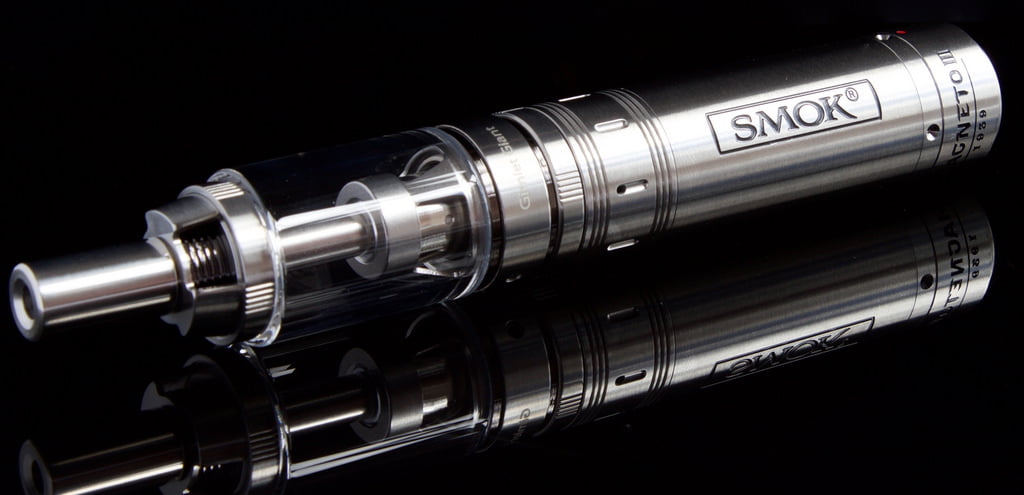
Refillable Vape Kits
Refillable vape kits are one of the most popular alternatives to disposable vapes. These devices allow users to manually fill a tank with e-liquid, providing greater flexibility and cost savings over time.
Benefits:
- Customizable: Users can choose from a wide variety of e-liquids, including different flavors and nicotine strengths.
- Cost-Effective: While the initial cost of the device is higher, the ongoing expense of buying e-liquid is significantly lower than purchasing disposable vapes.
- Environmentally Friendly: Refillable kits generate less waste, as they are designed to be reused for months or even years with proper care.
How They Work:
Users fill the device’s tank with their chosen e-liquid. The liquid is heated by a coil, which turns it into vapor. Coils can be replaced periodically to maintain optimal performance. You can find the best value coils at https://www.safesalesuk.com/
Pod Systems
Pod systems are compact devices that use pre-filled or refillable pods. They are typically smaller and more portable than traditional vape kits, making them an ideal choice for beginners or those who want something discreet.
There are two main types:
- Closed-System Pods: These pods come pre-filled with e-liquid and are disposed of when empty. While they are convenient, they still generate waste, albeit less than disposable vapes.
- Open-System Pods: Users can refill these pods with their preferred e-liquid, making them a more sustainable and cost-effective option.
Benefits:
- Convenient and Portable: Lightweight and easy to carry, pod systems are perfect for on-the-go use.
- User-Friendly: Simple to operate, making them a great choice for beginners.
- Refillable Options: Open-system pods provide greater flexibility and reduce environmental impact.
Box Mods
Box mods are advanced vaping devices designed for experienced users who want maximum customization. These devices offer a range of settings, such as adjustable wattage and temperature control, to create a tailored vaping experience.
Benefits:
- High Performance: Box mods produce larger clouds and more intense flavors compared to other devices.
- Customizable: Users can fine-tune their device’s performance to suit their preferences.
- Long-Lasting: Built to last, box mods are highly durable and can be used for years with proper maintenance.
How They Work:
Box mods use a removable or built-in battery and a refillable tank. Users can adjust various settings to control the intensity and volume of vapor production.
Environmental and Financial Advantages of Reusable Systems
Switching to reusable vaping devices offers several key advantages:
- Reduced Waste: By using refillable tanks and pods, users can significantly reduce plastic waste and battery pollution.
- Lower Long-Term Costs: While the upfront cost of a reusable vape may be higher, ongoing expenses are much lower compared to constantly buying disposable vapes.
- More Control: Reusable systems offer greater control over e-liquid flavors, nicotine strength, and vapor production.
As the disposable vape ban takes effect, making the switch to reusable options not only supports environmental sustainability but also provides a more versatile and economical vaping experience.
How to Transition to Refillable Vapes
Switching from disposable vapes to refillable devices may seem daunting at first, but with the right approach, it can be a smooth and rewarding experience. Refillable vapes offer more control, cost savings, and environmental benefits. Below is a step-by-step guide to help you make the transition, along with tips for choosing the right device and maintaining it for long-term use.
Step-by-Step Guide for Switching
- Research Your Options: Explore different types of refillable devices, such as pod systems, vape pens, and box mods. Each has unique features that may suit different preferences.
- Choose a Device: Pick a refillable vape that matches your vaping style and experience level. Beginners may prefer simple pod systems, while experienced vapers may opt for more advanced devices like box mods.
- Select Your E-Liquid: Choose an e-liquid flavor and nicotine strength that matches your current disposable vape experience. Look for reputable brands with quality ingredients.
- Fill Your Tank or Pod: Follow the manufacturer’s instructions to fill your device’s tank or pod with e-liquid. Be careful not to overfill to avoid leaks.
- Prime the Coil: Allow the e-liquid to soak into the coil for a few minutes before using the device to avoid dry hits and burnt flavors.
- Start Slowly: Begin with low power settings if your device allows it. Gradually adjust to find your preferred vapor production and flavor strength.
- Monitor and Adjust: Pay attention to your experience and adjust the nicotine strength or device settings as needed to achieve satisfaction.
Tips for Selecting the Right Device and Nicotine Strength
- Device Selection:
- Pod Systems: Great for beginners, simple to use, and portable.
- Vape Pens: A step up from pod systems, offering more control over settings.
- Box Mods: Ideal for experienced users looking for advanced customization options.
- Nicotine Strength:
- If you used low-nicotine disposables, start with an e-liquid containing 3-6 mg of nicotine.
- For higher nicotine disposables, consider nicotine salt e-liquids, which offer smoother throat hits at higher strengths (up to 20 mg).
- Experiment with different strengths to find what works best for you.
Cleaning and Maintenance Best Practices
Proper maintenance is essential to ensure your refillable vape works efficiently and lasts longer:
- Clean the Tank Regularly: Rinse the tank with warm water every few days to remove any residual e-liquid or buildup. Allow it to dry completely before refilling.
- Replace the Coil: Change the coil whenever you notice a burnt taste or reduced vapor production, typically every 1-2 weeks depending on usage.
- Charge the Battery Safely: Use the appropriate charger for your device and avoid overcharging to extend battery life.
- Store Safely: Keep your device in a cool, dry place when not in use to avoid damage.
By following these steps and tips, transitioning to refillable vapes can be a seamless process. You’ll enjoy a more customizable vaping experience while contributing to a cleaner, more sustainable future.
By addressing both environmental and public health concerns, the disposable vape ban aims to foster a healthier and more sustainable future for all UK residents. In the next section, we’ll explore how to transition to refillable vapes and other sustainable alternatives.
Public Reaction and Industry Response
The announcement of the disposable vape ban in the UK has sparked varied reactions from the public, industry leaders, and public health officials. While many welcome the move for its environmental and health benefits, others—especially within the vaping industry—have expressed concerns about its impact on businesses and consumers.
Public Health Officials
Many public health experts have praised the government’s decision to ban disposable vapes, highlighting its potential to reduce youth vaping and environmental damage.
- Dr. Sarah Evans, Public Health Specialist: “The ban on disposable vapes is a crucial step in protecting our young people from nicotine addiction and addressing the growing environmental crisis caused by single-use plastics and batteries.”
- Action on Smoking and Health (ASH): In a statement, ASH expressed support for the ban, emphasizing that it will help curb underage vaping and reduce the environmental burden.
Industry Experts
While some industry experts agree with the need to regulate disposable vapes, there is concern about how the ban will affect small businesses and consumers.
- David Thompson, CEO of Vape UK: “While we understand the environmental motivations behind the ban, we are concerned that many vapers will struggle to transition to refillable devices without proper education and support.”
- British Independent Vaping Association (BIVA): BIVA issued a statement urging the government to work with vape retailers to ensure a smooth transition for consumers. They also called for greater public awareness campaigns about the benefits of refillable vaping systems.
Vape Manufacturers and Retailers
Many manufacturers and retailers are now adjusting their business models to comply with the new regulations. Some have even expressed intentions to invest more heavily in refillable and sustainable vaping products.
- Statement from a Major Vape Manufacturer: “We are committed to complying with the new regulations and will focus our efforts on expanding our range of refillable devices. Sustainability is a priority for our company.”
- Local Vape Shop Owner: “We’ve seen a rise in customers asking about refillable options since the ban was announced. It’s clear that consumers are willing to adapt, but they need guidance on making the switch.”
Public Reaction
Public opinion has been mixed. Some consumers are applauding the government’s efforts to tackle environmental waste, while others have expressed frustration over losing a convenient product.
- Environmental Activist: “This ban is long overdue. Disposable vapes are a huge contributor to plastic waste and battery pollution, and we need to prioritize sustainability.”
- Frequent Vaper: “I understand the environmental concerns, but disposable vapes are so convenient. I’m nervous about switching to a refillable device and losing that ease of use.”
Overall, the ban has sparked important conversations about vaping, sustainability, and public health. In the next section, we’ll answer some of the most common questions about the disposable vape ban and its implications.
Final Thoughts
The UK’s decision to ban disposable vapes is a significant step towards addressing environmental concerns and promoting better public health outcomes. As we’ve explored, the ban aims to reduce plastic waste, battery pollution, and the rise in youth vaping. This change, while impactful, is being phased in carefully to give both retailers and consumers time to adjust.
Recap of Main Points
- Why the Ban is Happening: The disposable vape ban is driven by concerns about environmental waste, the health risks associated with nicotine addiction, and the growing popularity of these products among young people.
- When the Ban Will Take Effect: The ban will come into force on 1 June 2025, with a grace period for retailers to sell existing stock.
- Alternatives to Disposable Vapes: Refillable vape kits, pod systems, and box mods provide cost-effective, sustainable options for users. These devices offer greater customization and environmental benefits, making them the ideal choice for long-term vaping.
- Environmental and Health Impacts: The ban is expected to reduce plastic and battery waste while curbing the rise in nicotine addiction, particularly among younger users.
Reassurance and Responsible Vaping
While the transition may require some adjustment, rest assured that there are plenty of alternatives to disposable vapes that offer a similar experience without the environmental or health risks. Refillable devices provide flexibility, better value for money, and a more sustainable choice.
We encourage all vapers to embrace responsible vaping habits, considering the long-term benefits for both personal health and the environment. Making the switch to refillable vapes not only helps reduce your carbon footprint but also ensures a healthier future for the next generation.
As we move toward a greener, healthier world, responsible vaping will play a key role in creating lasting change. Let’s all take part in this shift and make informed choices that benefit both us and the planet.
Frequently Asked Questions
As the UK prepares to implement the disposable vape ban, many people have questions about how this will affect their vaping habits and what they should expect. Below are answers to some of the most commonly asked questions about the ban.
Can I still buy disposable vapes in the UK after the ban?
No, once the ban takes effect on 1 June 2025, it will no longer be legal to sell disposable vapes in the UK. Retailers will have a grace period until this date to sell their existing stock, but after this, disposable vapes will no longer be available for purchase. However, you will still be able to purchase refillable vape devices, which are a sustainable alternative.
What should I do with my old disposable vapes?
It’s important to dispose of disposable vapes properly to avoid contributing to environmental pollution.
- Recycling: Some components, such as the lithium-ion battery, can be harmful to the environment if not disposed of correctly. Look for local recycling points for electronic waste, including vape devices.
- Check with Local Retailers: Some vape shops offer collection points for used devices to ensure they are recycled responsibly.
- Never Throw in the Bin: Do not throw disposable vapes in regular waste bins, as they can leak harmful chemicals or start fires in landfill sites.
Will flavored vapes be banned too?
As part of the ban, disposable vapes—which are often marketed with various fruity and sweet flavors—will no longer be available. However, flavored e-liquids for refillable devices will still be permitted. The government is focusing on disposable vapes due to concerns over their environmental impact and their appeal to young people. Flavored refillable vape options are likely to remain on the market, but some flavor restrictions may be considered in the future to ensure that they are not marketed to minors.
Are any exceptions being made for medical or nicotine replacement purposes?
Yes, nicotine replacement therapy (NRT) products, including certain vape devices that are specifically approved for smoking cessation, will not be affected by the ban. These devices are classified as medical products, and their sale is regulated separately from recreational vaping products. If you’re using a vape device as part of a smoking cessation program, you should consult your healthcare provider to ensure you’re using an approved device.
If you have further questions or need clarification on any aspect of the ban, it’s a good idea to stay updated with government announcements or speak to a local vape retailer for more guidance.
References
- Action on Smoking and Health (ASH). (2024). Government Announces Crackdown on Disposable Vapes. Retrieved from https://ash.org.uk
- British Independent Vaping Association (BIVA). (2024). Response to Disposable Vape Ban Announcement. Retrieved from https://biva.org.uk
- Department of Health and Social Care. (2024). Government Crackdown on Single-Use Vapes. Retrieved from https://gov.uk/government/news/government-crackdown-on-single-use-vapes
- Evans, S. (2024). The Impact of Disposable Vapes on Public Health. Public Health Journal. 42(5), 12-16.
- Thompson, D. (2024). The Future of Vaping: Challenges and Opportunities for the Industry. Vaping News, 3(1), 22-25.
Further Reading
- NHS – Vaping and Health Risks
Learn more about the potential health risks and benefits of vaping, including guidance for smokers considering vaping as a quitting aid. Visit NHS website - Public Health England (PHE) – Evidence on the Efficacy of E-Cigarettes
PHE offers a comprehensive overview of the evidence supporting vaping as a smoking cessation tool. Visit PHE website - The Royal Society for Public Health (RSPH) – Vaping: A Public Health Perspective
The RSPH provides a deep dive into how vaping fits into the broader public health landscape. Visit RSPH website